Peruvian Drinks: Pisco Sour, Chicha and Coca Tea Explained
Pisco sour, chicha morada, chicha de jora, coca tea and Inca Kola: what to order in Peru, where to try it in Cusco, and what US travelers should know.
Ask anyone in Cusco what to drink and you will get three answers before you finish the question: a pisco sour, a glass of chicha morada and a cup of coca tea. That short list is a good start, but Peruvian drinks go much further than the cocktail menu at your hotel bar. In this guide we walk you through the drinks our team actually orders, where they come from, and a few things US travelers should know before ordering (or packing) them.
What are the most popular Peruvian drinks?
Here is the quick version. The table covers the drinks you will see most often between Lima, Cusco and the Sacred Valley.
| Drink | Alcohol? | What it is | Where to try it |
|---|---|---|---|
| Pisco sour | Yes | Grape brandy shaken with lime, syrup, egg white and bitters | Any bar in Cusco; best after a trek, not before |
| Chicha morada | No | Purple-corn drink spiced with cinnamon and clove | Markets, set-lunch spots, many restaurants |
| Chicha de jora | Yes, mild | Fermented corn beer with Inca-era roots | Chicherías in Cusco neighborhoods and the Sacred Valley |
| Frutillada | Yes, mild | Chicha de jora blended with strawberries | Cusco chicherías, especially November to January |
| Coca tea (mate de coca) | No | Infusion of coca leaves | Every hotel lobby in Cusco |
| Inca Kola | No | Bright yellow soda, sweet and herbal | Everywhere |
| Craft beer | Yes | Local ales and stouts, some with Andean ingredients | Cusco taprooms, Sacred Valley brewery |
Pisco sour: Peru's national cocktail
A proper pisco sour arrives cold, with a thick white foam on top and three drops of Angostura bitters. The base is pisco, a clear grape brandy, shaken hard with fresh lime juice, simple syrup, egg white and ice. Peruvian limes are small and sharp, closer to a Key lime than the big Persian limes in US grocery stores, which is one reason the drink tastes different here than at home.
Most Peruvian accounts trace the cocktail to the Morris Bar in Lima, run by American expat Victor Morris in the early twentieth century. Peruvian press also credits Mario Bruiget, a bartender from Chincha who trained under Morris and later served it at the Hotel Maury, with shaping the recipe we know today, sometime in the late 1920s. Peru celebrates National Pisco Sour Day on the first Saturday of February.
A tip from our guides
Our guides have a simple rule: no pisco sour the night before a big hiking day, and never on your first night in Cusco. At 3,399 m (about 11,150 ft) alcohol hits harder and dehydrates you faster. Save it for the celebration dinner after Machu Picchu. You will enjoy it more.
Is pisco from Peru or Chile?
It is an old argument, so here are the facts each country puts forward.
- Peru's case: Pisco is a port and valley on Peru's southern coast, and colonial records show grape brandy shipped from there in the early 1600s. In 2024 UNESCO's Memory of the World register added Peruvian documents on pisco, including deeds from 1587 and 1613. Peru's denomination of origin dates from December 1990 and covers the coastal areas of Lima, Ica, Arequipa, Moquegua and the Locumba, Sama and Caplina valleys in Tacna.
- Chile's case: Chile legally defined its pisco region in 1931, earlier than Peru, covering valleys such as Elqui, Limarí and Copiapó. Chilean producers cite their own historical records and point to trade agreements that protect "pisco" as a Chilean geographical indication in several markets.
Both spirits exist, both are made from grapes, and they follow different rules. Peruvian pisco can only be made from eight grape varieties (Quebranta, Negra Criolla, Mollar, Uvina, Italia, Torontel, Moscatel and Albilla). In Peru you will see three main styles on labels: puro (one grape), acholado (a blend) and mosto verde (distilled from partially fermented must, softer and pricier). Our honest advice: taste both if you get the chance and let your palate decide. In Cusco, of course, you will be drinking the Peruvian one.
Chicha morada and chicha de jora: two very different drinks
The word chicha confuses many visitors because it covers two things that have little in common.
Chicha morada
Deep purple, sweet and spiced, chicha morada is made by boiling purple corn with pineapple peel, cinnamon and cloves, then finishing it with lime and sugar. It has no alcohol and it is not fermented. Most set-lunch restaurants (look for a chalkboard reading menú) serve a pitcher of it with the meal. Of all Peruvian drinks, it is the one kids love most.
Chicha de jora
Chicha de jora is the old one. It is a fermented drink made from malted corn, cloudy and slightly sour, with a low alcohol content. In Inca times it was called aqha and it was poured as an offering to the sun, to Pachamama and to the mountain spirits. You can still see that gesture today: before drinking, many people in Cusco tip a few drops onto the ground.
Traditional chicherías in Cusco and the Sacred Valley mark their doors with a red banner on a pole. Inside: wooden benches, big glasses, often a game of sapo. Between November and January, ask for frutillada, chicha mixed with Sacred Valley strawberries. One of our guides, who grew up near Urubamba, still remembers buying it by the jug after school festivals.
Is coca tea legal, and does it help with altitude?
Mate de coca is legal and completely normal in Peru. Hotels in Cusco leave a basket of coca leaves or tea bags next to a thermos of hot water in the lobby, and our cooks serve it every morning on the trail. Locals drink it for its mild stimulant effect and to settle the stomach. Many travelers find it comforting at altitude, although it is not a replacement for gradual acclimatization. For practical advice, read our guide to https://machulasjourney.com/blog/.
Two things US travelers should know:
- Do not bring it home. Coca tea is illegal in the United States unless it has been decocainized, so leave the tea bags in Peru.
- It can show up on a drug test. A 1996 study in Forensic Science International found that a single cup can produce cocaine metabolites in urine. If your job involves drug screening, skip it in the weeks before you return.
Inca Kola and Peruvian craft beer
Inca Kola is the yellow soda you will see on every table. It was created in 1935 by Joseph Robinson Lindley, an English immigrant in Lima, and it remains the most popular soft drink in Peru, one of the few markets where a local brand outsold Coca-Cola. Sweet and herbal; some say bubblegum.
Beer culture has grown fast. Beyond the big national lagers, Cusco now has taprooms pouring IPAs, porters and fruit beers. Cervecería del Valle Sagrado brews in Pachar, between Ollantaytambo and Urubamba, using Andean ingredients such as airampo (a cactus seed that gives a ruby color) and coffee from Quillabamba. If you join our Sacred Valley tour from Cusco, ask your guide to point out the brewery on the road.
Where to try Peruvian drinks in and around Cusco
- San Pedro Market: fresh juices (jugos) blended to order, plus chicha morada by the glass. Go in the morning.
- San Blas and the historic center: cocktail bars with long pisco lists. Our half-day Cusco city tour ends close to several of them.
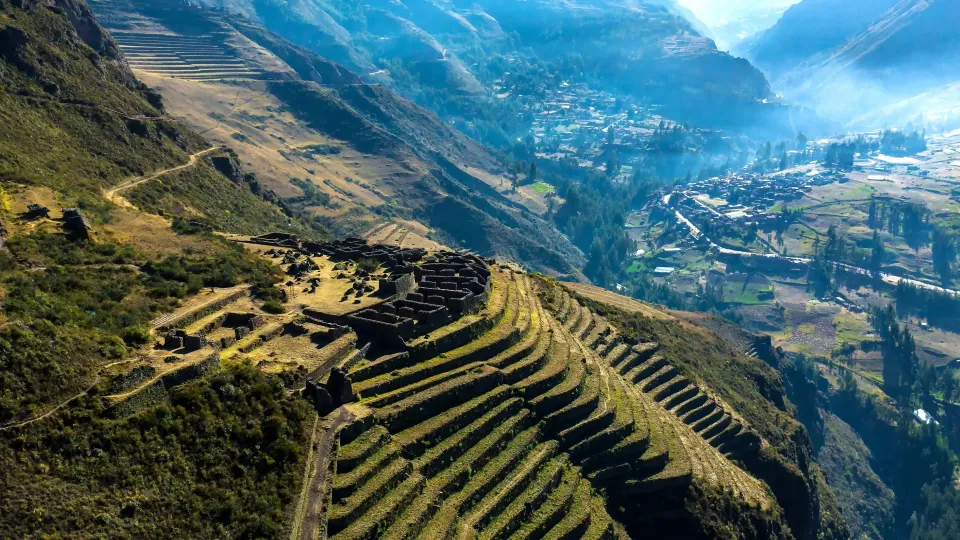
- Chicherías in the Sacred Valley: look for the red banner in Urubamba, Maras or Chinchero. Our Maras, Moray and Chinchero tour passes through towns where they are common.
- The south coast: if you want to visit pisco bodegas in Ica, our 18-day Peru package includes the region.
To pair your drinks with the right food, see our guide to https://machulasjourney.com/blog/ and the wider https://machulasjourney.com/blog/peru-food-tourism-guide/.
FAQ
What is the national drink of Peru?
The pisco sour is widely considered Peru's national cocktail, and pisco is the national spirit. For a non-alcoholic answer, most Peruvians would say chicha morada or Inca Kola.
Does chicha morada contain alcohol?
No. Chicha morada is a non-fermented purple-corn drink. Chicha de jora, the fermented corn beer, is the one with alcohol.
Can I bring pisco back to the US?
Yes, pisco is a regular spirit. Pack it in checked luggage, since liquids over the carry-on limit are not allowed in the cabin, and check US customs allowances for alcohol.
Is coca tea the same as cocaine?
No. It is a mild infusion of the leaf, legal in Peru and part of daily life here. It does contain trace alkaloids, which is why it is illegal to import into the US and can affect drug tests.
If you would like to taste your way through Cusco with someone who knows which chichería pours the best frutillada, tell us what you have in mind via https://machulasjourney.com/contact-us/ or WhatsApp, and we will fit it around your trek or Machu Picchu day.
Sources
- RPP — Día del Pisco Sour: origen y por qué se celebra el primer sábado de febrero
- Gestión — Indecopi: recomendaciones para comprar pisco autorizado
- LexLatin — ¿De dónde es el pisco? Los argumentos de Perú y Chile
- Andina — Chicha: historia y variedades de una bebida ancestral
- Al Jazeera — How a popular Peruvian soft drink went toe-to-toe with Coca-Cola
- PROMPERÚ (peru.info) — The Peruvian ingredients that set a Cusco-born brewery apart

Local guides and travel planners based in Cusco. We walk these routes every season.
About UsTours for this trip
Day Tours from Cusco
Sacred Valley Tour from Cusco: Pisac & Ollantaytambo
The Full Day Sacred Valley Tour unfolds like a journey through the cultural heart of the Andes. From the…
- Moderate
- 5,036 m.s.n.m.
- Group or private
From US$110per person
Book a tripDay Tours from Cusco
Half Day Cusco City Tour
If you are looking for the perfect introduction to Cusco, this half-day city tour is an unforgettable…
- Easy
- 3,600 m.s.n.m
- Group or private
From US$70per person
Book a trip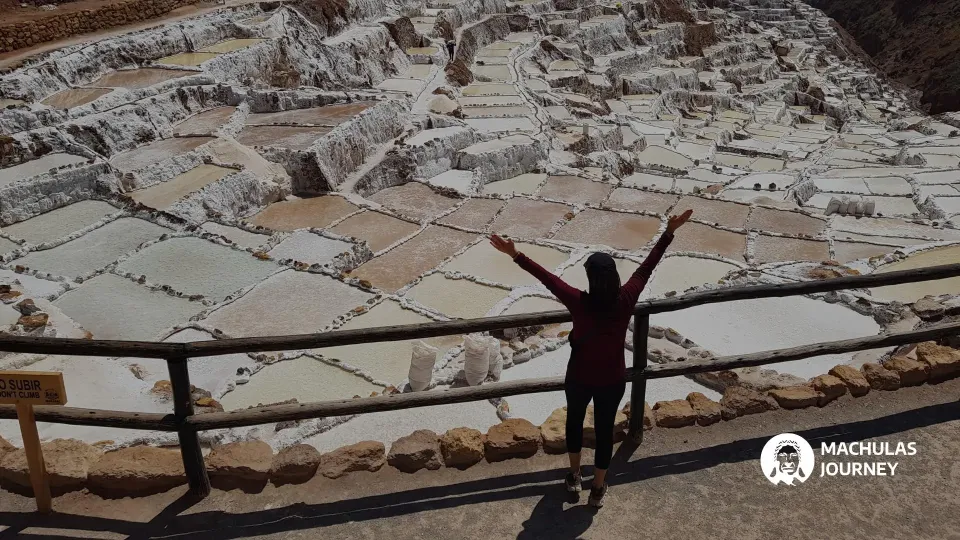
Day Tours from Cusco
Maras, Moray & Chinchero Tour from Cusco (Full Day)
The Maras and Moray tour from Cusco is the perfect full-day experience for travelers who want to explore…
- Easy
- 4,650 msnm
- Group or private
From US$130per person
Book a trip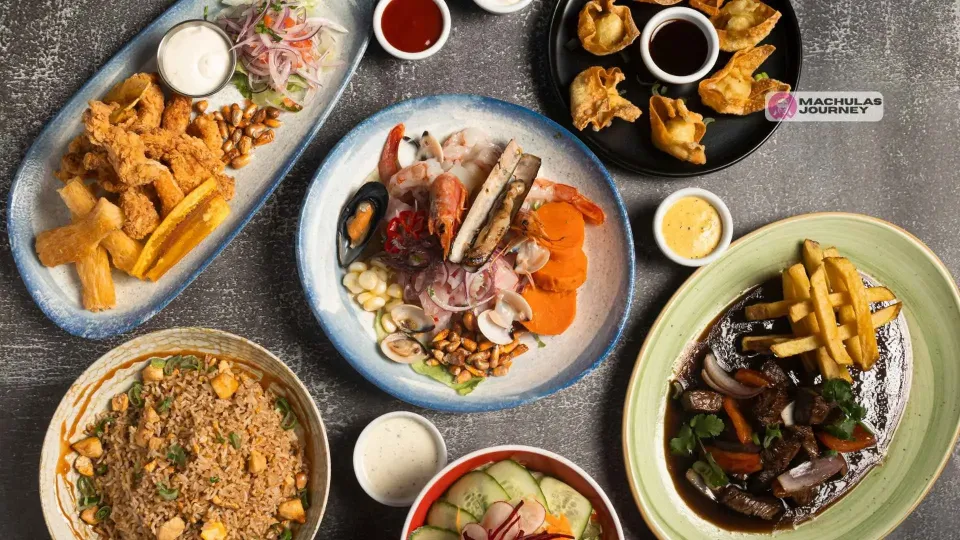 Food & Drink