
Machu Picchu Travel Guide 2026: Tickets, Trains, Timing and Rules
Everything a US traveler needs to plan Machu Picchu in 2026, from circuit tickets and trains to the best months and the rules that catch people out.
Most first-time visitors picture Machu Picchu as a single postcard view. Then they arrive and discover a trip with moving parts: a ticket tied to an entry hour, a train that has to line up with that hour, a bus up a mountain road, and a citadel you walk along one-way circuits. This Machu Picchu travel guide is the version we give our own guests over coffee in our office on Calle Matara, before they leave Cusco. It is updated for the 2026 season and covers how to get there, which ticket to buy, when to go, where to sleep and the rules that catch people out.
Machu Picchu travel guide: the basics in two minutes
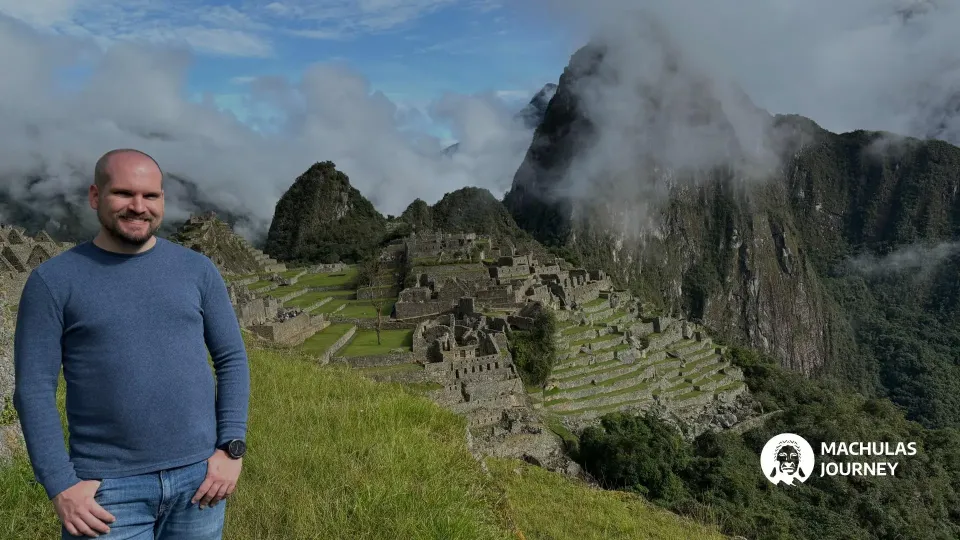
Machu Picchu is a 15th-century Inca city at roughly 2,430 m (7,970 ft) above sea level, on a ridge between the Andes and the Amazon basin. UNESCO inscribed it in 1983 as a mixed cultural and natural site, which matters on the ground: you are inside a protected sanctuary with cloud forest, orchids and more than 400 bird species, not just an archaeological park.
A few things every US traveler should know before booking anything:
- There is no road from Cusco to the citadel. You arrive by train, on foot, or by a long road-and-walk combination via Hidroeléctrica.
- Tickets are named and timed. Your passport number goes on the ticket and you enter at the hour printed on it, with a 30-minute tolerance.
- Your passport needs six months of validity from your date of entry into Peru, according to the U.S. State Department. No visa is required for tourist stays.
- Daily capacity is capped. In 2026 the limit is 5,600 visitors per day on high-season dates and 4,500 on the rest.
How do you get to Machu Picchu from Cusco?
Everyone ends up in Machu Picchu Pueblo, the town most people still call Aguas Calientes, and then rides a bus up the zigzag Hiram Bingham road to the gate. How you reach the town is the real choice:
- Train. PeruRail and Inca Rail run from Cusco-area stations and from Ollantaytambo in the Sacred Valley. From Ollantaytambo the ride takes about 1.5 to 2 hours along the Urubamba River.
- Trek. The Classic Inca Trail ends at the Sun Gate above the ruins. Salkantay, Lares and other routes finish with a train or a walk into town.
- The budget route via Hidroeléctrica. Roughly six hours by road from Cusco, then a walk of about 2.5 hours along the tracks or a short train ride.
We break down every option, with luggage limits and the classes of each train, in our article on https://machulasjourney.com/blog/how-to-get-to-machu-picchu/. If you want the whole thing handled in one day, our Machu Picchu full day tour from Cusco covers tickets, train, bus and guide.
Machu Picchu tickets 2026: which circuit should you buy?
Since 2024 the site is visited along three circuits, each split into routes. You buy one specific route, not a general pass:
| Circuit | What you see | Mountain or extra hike |
|---|---|---|
| Circuit 1 (Panoramic) | The classic postcard view from the upper terraces | Machu Picchu Mountain; Sun Gate and Inca Bridge in high season |
| Circuit 2 (Classic) | The most complete walk through the urban sector and temples | None |
| Circuit 3 (Royalty) | Royal and religious areas in the lower part | Huayna Picchu; Great Cavern and Huchuy Picchu in high season |
For a first visit, our guides usually suggest Circuit 2: you walk past the Temple of the Sun, the Intihuatana area and the main plaza. If you want that famous overhead shot, add or choose Circuit 1. Circuit details and the differences between Huayna Picchu, Machu Picchu Mountain and Huchuy Picchu are in https://machulasjourney.com/blog/machu-picchu-circuits-explained/, and booking step by step in https://machulasjourney.com/blog/machu-picchu-tickets/.
On price: as of 2026, the standard adult ticket for foreign visitors costs around S/152 plus a new S/11 conservation fee set by SERNANP from May 1, 2026, so roughly S/163 (about US$48). Mountain routes cost more. Always confirm on the official site, tuboleto.cultura.pe, because rates change and resellers add their own margin.
When is the best time to visit Machu Picchu?
The dry months, roughly May to September, bring blue skies, cold mornings and the biggest crowds. The rainy months, roughly November to March, bring green terraces, afternoon showers and fewer people. The Classic Inca Trail closes every February for maintenance, but the citadel itself stays open.
For US travelers on limited PTO, two windows work especially well: late April through May, when the rain has eased and summer crowds have not arrived, and September through October. Keep in mind that the 5,600-visitor high-season cap applies from June 19 to November 2 in 2026, which tells you when the authorities expect the most people. For a month-by-month view, read https://machulasjourney.com/blog/best-time-to-visit-machu-picchu/.
One of our guides, who grew up in Ollantaytambo, has a rule he repeats to every group: if the morning is cloudy, wait. The fog often lifts from Huayna Picchu around mid-morning, and the people who rushed out early miss the moment the whole city appears.
Where should you stay?
Any Machu Picchu travel guide worth reading will tell you the same thing: where you sleep shapes your day. There are three sensible bases:
- Aguas Calientes (Machu Picchu Pueblo). Best if you have an early entry ticket or want to see the site twice. The town is loud with river noise and train whistles.
- Ollantaytambo. Our favorite for travelers coming from the Sacred Valley. Quiet stone streets, Inca terraces above town, and the shortest train ride.
- Cusco. Doable as a long day trip. Cusco sits at about 3,400 m (11,150 ft), so arriving there first and sleeping in the valley for a night or two helps your body adjust.
A two-day plan with a night in Aguas Calientes is the most relaxed option, which is why our Sacred Valley and Machu Picchu 2-day tour and the longer Cusco, Sacred Valley & Machu Picchu 4-day tour are the ones most of our US guests pick.
What are the rules inside Machu Picchu?
The official code of conduct from the Ministry of Culture is strict, and park guards do enforce it. The ones that surprise people:
- Bags larger than 40 x 35 x 20 cm (16 x 14 x 8 in) are not allowed. A small daypack is fine; your duffel stays at the hotel or in a locker.
- No walking poles, umbrellas, tripods, selfie sticks or drones.
- No food or alcohol inside. Eat before you go in.
- No hard-soled shoes or heels. Wear trail shoes or sneakers with grip.
- Stay on your circuit. Routes are one-way and you cannot cross into another circuit.
Breaking these rules can get you removed without a refund. Bring your physical passport: staff check that the name and number match your ticket.
Should you hike instead of taking the train?
If you have four days and decent fitness, arriving on foot changes the experience. The Classic Inca Trail 4-day trek crosses passes, cloud forest and ruins that train passengers never see, and ends at the Sun Gate. Permits sell out months ahead, often for the 2027 season already. Short on time? The Short Inca Trail in 2 days gives you a full day of Inca path and the Wiñay Wayna ruins. You can browse every trekking option on our https://machulasjourney.com/tours/inca-trail/ page or compare routes in https://machulasjourney.com/blog/inca-trail-vs-salkantay/.
FAQ
How many days do I need for Machu Picchu?
One full day from Cusco is possible, but two days with a night in Aguas Calientes or Ollantaytambo is far more comfortable. Most US travelers combine it with Cusco and the Sacred Valley in four to six days.
Do I need a guide to enter Machu Picchu?
We strongly recommend one. The circuits are one-way and signage is minimal, so a licensed guide is the difference between walking past stones and understanding what you are looking at.
How far in advance should I book Machu Picchu tickets?
For June to October, book as soon as your dates are fixed, ideally two to three months ahead, and longer for Huayna Picchu. Inca Trail permits need even more notice.
Is altitude a problem at Machu Picchu?
The citadel is lower than Cusco, so most people feel better there. The challenge is usually Cusco itself; plan a slow first day and talk to your doctor before travel.
If you would like us to put the pieces together for you, from tickets to trains to the right hotel, write to us through https://machulasjourney.com/contact-us/ or on WhatsApp. You can also see how past guests experienced the trip on our https://machulasjourney.com/reviews/ page or explore all our https://machulasjourney.com/tours/machu-picchu/ tours.
Sources
- UNESCO World Heritage Centre — Historic Sanctuary of Machu Picchu
- Andina — Planning to visit Machu Picchu in 2026? New ticket rates and visitor limits
- Ministerio de Cultura (machupicchu.gob.pe) — Code of conduct
- U.S. Department of State — Peru International Travel Information
- El Tiempo (Peru) — Machu Picchu aplicará nueva tarifa de conservación desde mayo de 2026
- PeruRail — Trains to Machu Picchu

Local guides and travel planners based in Cusco. We walk these routes every season.
About UsTours for this trip
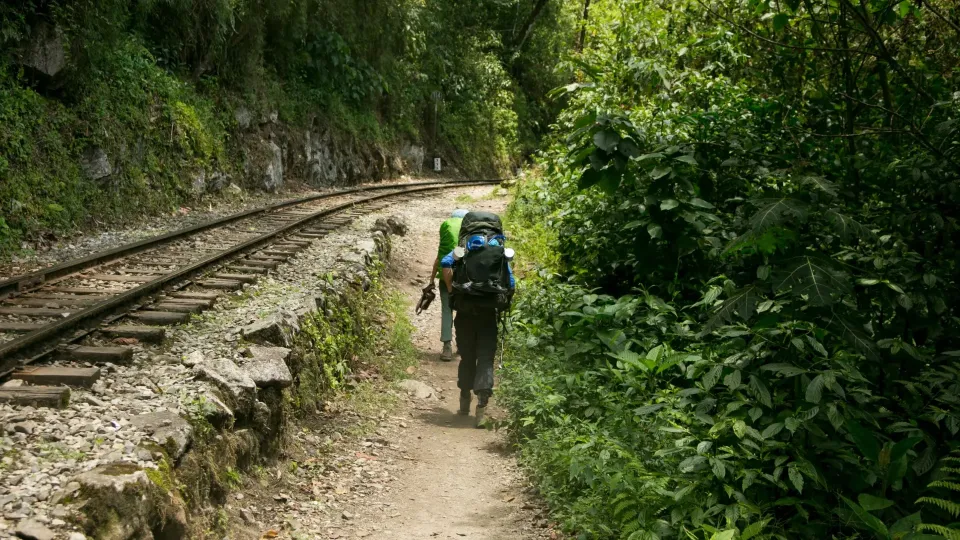
Inca Trail to Machu Picchu
Classic Inca Trail 4 Days Group Tour
Classic Inca Trail 4 days group tour is the perfect choice for travelers who want to experience the most…
- Moderate
- 4,650 msnm
- Group or private
From US$950per person
Book a trip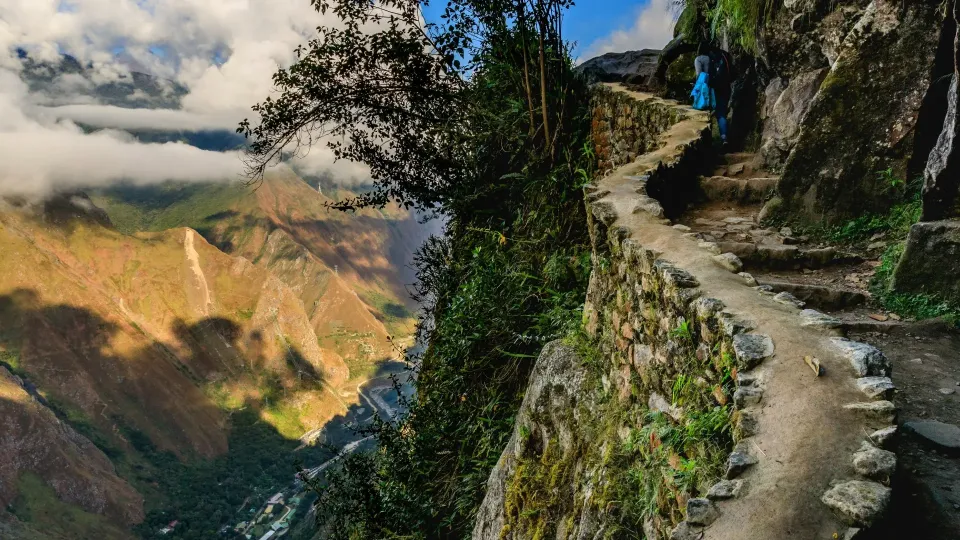
Inca Trail to Machu Picchu
Short Inca Trail to Machu Picchu 2 Days
Short Inca Trail to Machu Picchu 2 days is the perfect adventure for travelers who want to experience…
- Moderate
- 3,600 m.s.n.m
- Group or private
From US$560per person
Book a tripMachu Picchu Tours
Machu Picchu Full Day Tour from Cusco
A Full Day Machu Picchu Trip is one of those journeys that stays with you long after it ends. From the…
- Easy
- 3,400 msnm
- Group or private
From US$360per person
Book a trip Travel Planning