Humantay Lake Day Trip from Cusco: Altitude, Difficulty and Tips
Our local guide to the Humantay Lake day trip: the 4 a.m. start, the steep climb to 4,200 m, horses, altitude tips and how to combine it with Salkantay.
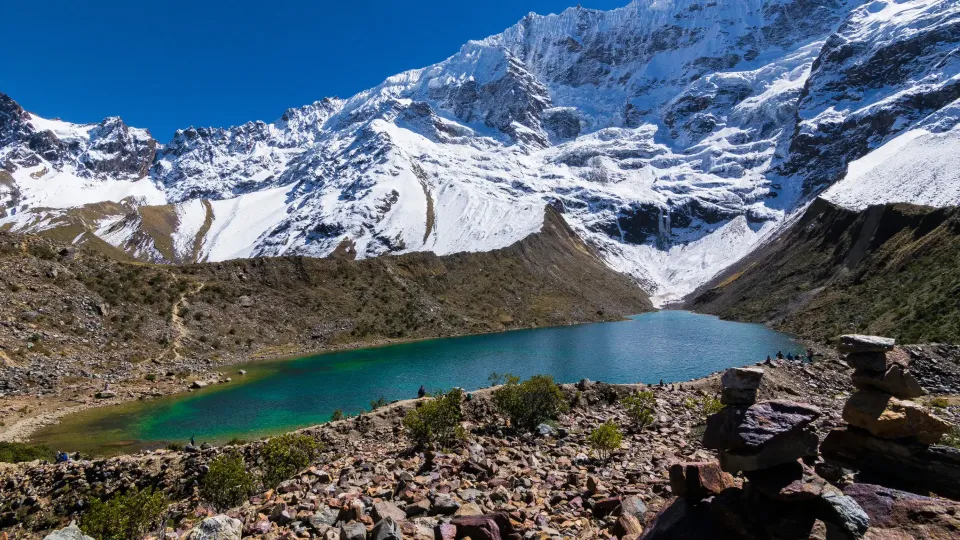
The alarm goes off before 4 a.m., Cusco is dark and cold, and you are wondering why you signed up for this. Three hours later you are standing on a moraine at more than 4,200 m (13,780 ft), looking at water so turquoise it seems edited, with a glacier hanging right above it. That is the Humantay Lake day trip in one sentence, and it is the reason this lake went from a quiet stop on the Salkantay route to one of the busiest excursions in the Cusco region.
We run this hike almost every day in the dry season, so this guide sticks to what actually matters: how the day works, how hard the climb really is, what the altitude does to you, when to rent a horse, and how to fold Humantay into a longer trek.
Where is Humantay Lake and why is everyone going?
Humantay sits at the foot of the Humantay and Salkantay peaks, in the district of Mollepata (Anta province), roughly three hours by road west of Cusco. Salkantay itself rises to about 6,271 m (20,574 ft), the highest summit of the Vilcabamba range, and on a clear morning you see its snow while you walk up. The access point is Soraypampa, a high meadow at around 3,900 m (12,795 ft) where the road ends and the trail begins.
The secret got out fast. Before the pandemic, Peru's state news agency Andina reported up to 500 visitors a day in peak season, enough to put Humantay close to Machu Picchu and Rainbow Mountain in the national ranking of most-visited spots. The Mollepata municipality and local communities manage access, and a small community fee is charged at the trailhead (it is included in our tours).
How the Humantay Lake day trip works, hour by hour
Here is how a typical day looks with us. Times shift a little with the season and with road works around Mollepata.
- 4:00 a.m. Hotel pickup in Cusco. Bring your warm layer into the van; the heater only does so much.
- Around 7:00 a.m. Breakfast at Soraypampa. Coca tea, bread, eggs, something hot. Eat even if you are not hungry.
- 7:30 to 9:30 a.m. The climb. Most guests take 1.5 to 2 hours, fit hikers closer to one.
- Late morning. Time at the lake: photos, a short offering ritual if you want one, and quiet before the next wave of groups arrives.
- Descent. About an hour back to Soraypampa, lunch, then the drive home.
- Around 4:00 p.m. Back at your hotel in Cusco.
You can book it as a shared or private outing on our Humantay Lake Tour from Cusco, or browse the rest of our day tours from Cusco if you want to pair it with another excursion.
How hard is the Humantay Lake hike?
The distance is short; the slope and the thin air are what get people. The trail climbs steadily from the meadow up a series of switchbacks and finishes with a steeper, dusty stretch below the moraine. There is nothing technical about it. What surprises guests from sea level is how slow they become: a pace that would feel lazy in Boston feels like a sprint here.
One of our guides, who grew up in a village near Mollepata, gives every group the same advice at the first bend: walk so slowly that you could hum a song without gasping. If you can't, slow down. It sounds silly, and it works.
Should I rent a horse?
Local families rent horses at Soraypampa for the way up, paid in cash in soles. They are a good call if you arrived in Cusco yesterday, if you have knee or heart concerns, or if you simply want to save your legs for a longer trek. Note that horses usually stop below the final section, so everyone walks the last stretch to the shore.
Humantay Lake altitude: how to avoid feeling awful
At 4,200 m the air holds noticeably less oxygen than in Cusco, which already sits around 3,400 m (11,150 ft). The good news: this is a day trip. The CDC notes that altitude illness is driven largely by where you sleep, and that coming back down to sleep makes a short high excursion far less stressful on the body. The bad news: if you fly in from Houston or Miami and try Humantay the next morning, you will probably feel it.
- Spend at least two nights in Cusco or the Sacred Valley first.
- Skip alcohol the night before; drink water and coca tea instead.
- A headache that gets worse, confusion or real breathlessness at rest means you turn around. Our guides carry oxygen, and they will make that call with you.
We cover prevention in detail in our guide to altitude sickness in Cusco.
Best time of year to visit
The dry months, roughly April to October, give the clearest skies and the most intense color. June through August are the coldest mornings (frost at Soraypampa is normal, so pack gloves) and the busiest trail. November to March bring rain, cloud on the glacier and muddier switchbacks. The weather can also close the road: in February 2024 heavy rain made the Ñañohuayco river overflow at Soraypampa, and the Mollepata municipality suspended visits while the road was repaired. In the wet season we watch the forecast closely and reschedule when needed.
What to pack for Humantay
- Warm layers: a fleece plus a down or synthetic jacket. Mornings sit around freezing in the dry season.
- A waterproof shell, even in July. Mountain weather does what it wants.
- Sunscreen, sunglasses and a hat. UV is brutal at this altitude.
- Hiking shoes with grip; the descent is loose gravel.
- About 1 liter (34 oz) of water, snacks and some small bills in soles for the horse or the restroom.
- Trekking poles if you have them. Your knees will thank you on the way down.
Humantay as part of the Salkantay Trek
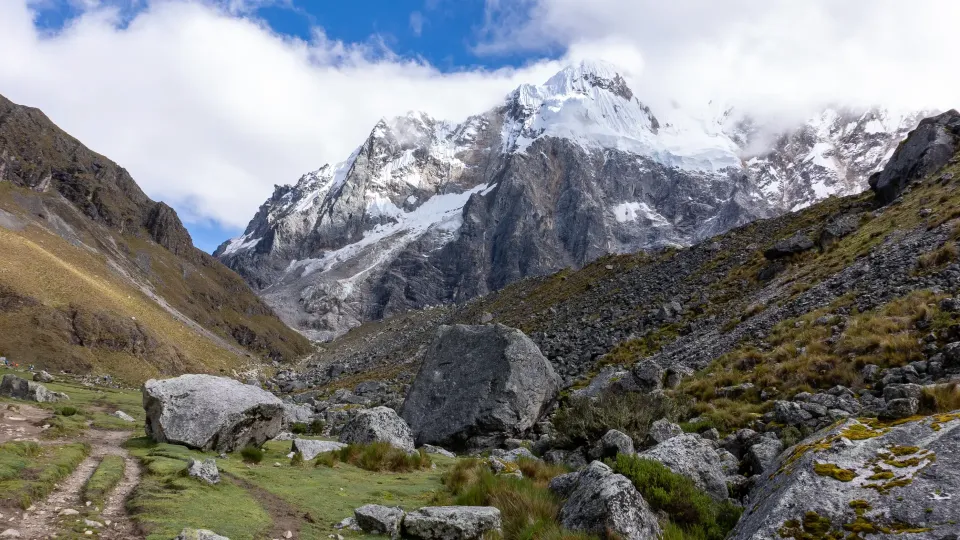
Humantay is also the classic first-day side trip on the Salkantay Trek. Trekkers camp near Soraypampa, walk up to the lake in the afternoon as an acclimatization hike, and cross the Salkantay pass, at about 4,600 m (15,100 ft), the next morning. If you liked the day trip, the full trek is the natural next step: read our complete Salkantay Trek guide or look at our Salkantay Trek 4 Days.
Want a slower version? Our Chonta Valley of the Condors and Humantay Lagoon 2 Days adds a condor viewpoint and the Tarawasi ruins in Limatambo before the lake. And if you are deciding between high-altitude day trips, our Rainbow Mountain guide compares the effort honestly: Vinicunca goes higher, Humantay is shorter but steeper.
FAQ
How long is the Humantay Lake day trip from Cusco?
About 12 hours door to door: pickup around 4 a.m., back in Cusco around 4 p.m. Roughly six of those hours are on the road.
Can I swim in Humantay Lake?
We ask our guests not to. Local communities consider the lake sacred, and the water is glacier-melt cold anyway.
Is Humantay Lake harder than Rainbow Mountain?
Humantay is shorter and steeper; Rainbow Mountain is longer and reaches higher, around 5,000 m. Both are demanding if you are not acclimatized.
Can kids do the Humantay hike?
Active kids who have spent a few days at altitude usually manage it, often with a horse for part of the climb. Check with your pediatrician before the trip.
Is there cell signal at the lake?
Coverage is patchy at Soraypampa and unreliable at the lake. Download offline maps and let people at home know you will be off the grid for the day.
If you would like us to fit Humantay into a bigger Cusco itinerary, message us on WhatsApp or through our contact page. You can also see real photos from recent groups in our gallery.
Sources
Local guides and travel planners based in Cusco. We walk these routes every season.
About UsTours for this trip
Salkantay Trek
Salkantay Trek 4 Days / 3 Nights
The Salkantay Trek 4 Days / 3 Nights is an unforgettable journey for travelers who want to experience…
- Challenging
- 5,100 m
- Group or private
From US$750per person
Book a trip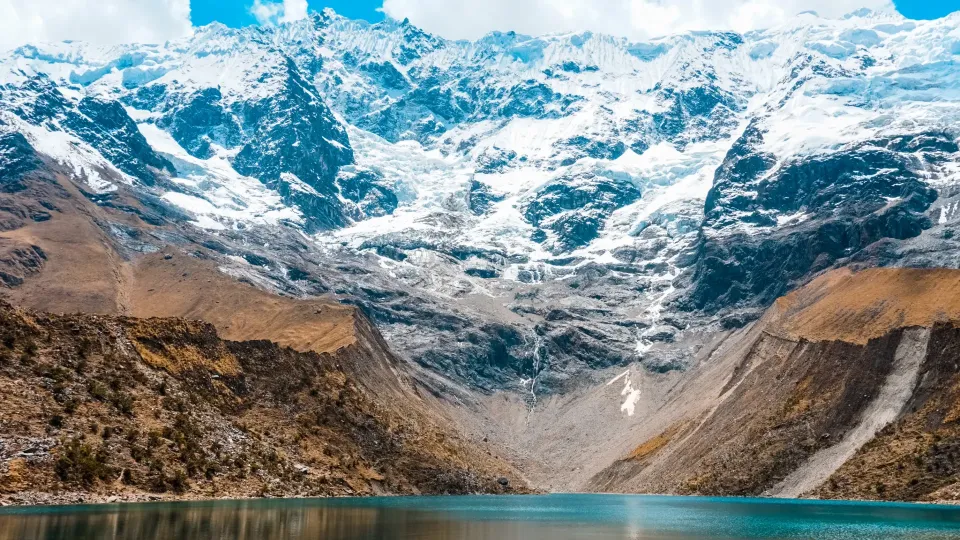
Alternative Treks
Chonta Valley of the Condors and Humantay Lagoon 2 Days Tour
The Chonta Valley of the Condors and Humantay Lagoon Tour is a beautiful two-day experience that brings…
- Moderate
- 4,200 m
- Group or private
From US$350per person
Book a tripSalkantay Trek
Humantay Lake Tour from Cusco (Full Day)
The Full Day Humantay Lagoon Tour is the perfect escape for travelers who dream of mountain air…
- Moderate
- 4,200 m
- Group or private
From US$130per person
Book a trip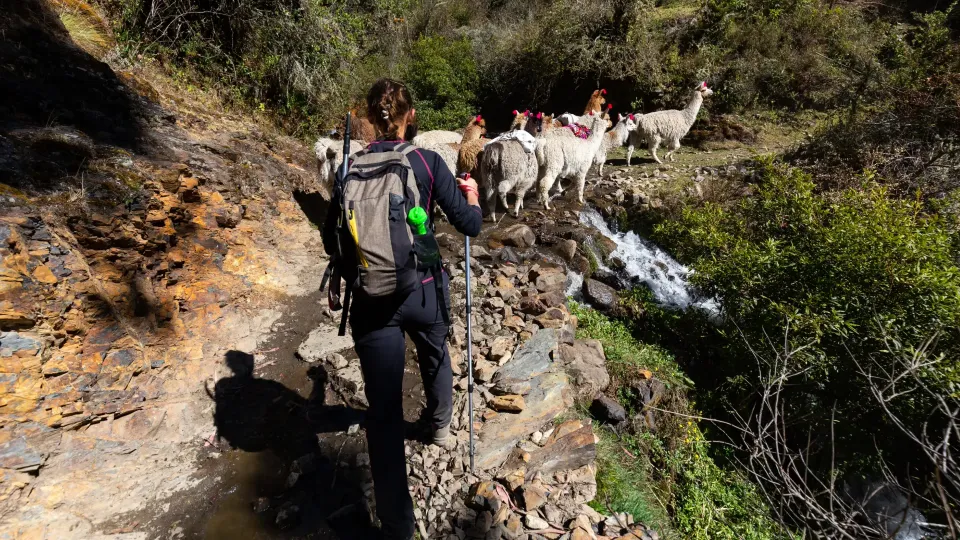 Trekking Guides